
Buda Sprinkler Repair for Lawn Protection
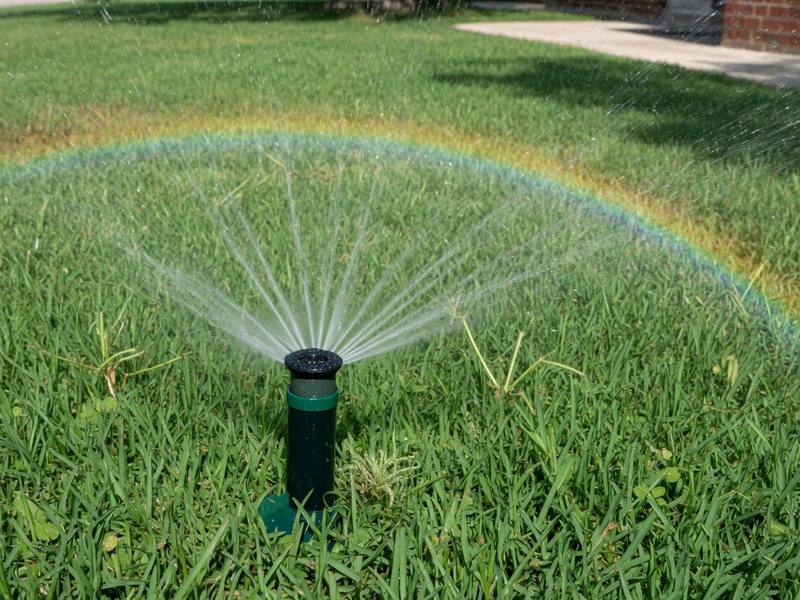
You head out to the shed on a Saturday morning, ready to mow. The mower won’t start, the floor is damp, and there’s a fresh layer of rust on your hedge trimmer blades. The culprit is a sprinkler head that’s been spraying the side of the shed every night for weeks.
This happens more often than most homeowners realize. A broken or misaligned sprinkler doesn’t just waste water. It can quietly damage the mowers, trimmers, blowers, and hand tools you count on to keep your yard looking sharp. That’s why Sprinkler Repair Buda services matter for more than your grass.
In this guide, you’ll learn how sprinkler problems put your lawn equipment at risk, which repairs fix the most common issues, and how diagnostic and emergency services help you stay ahead of costly damage.
How a Faulty Sprinkler System Damages Your Lawn Equipment
Most people think of sprinkler problems as a lawn issue. Brown patches, soggy spots, and high water bills get noticed first. But water that goes where it shouldn’t also finds its way to your gear.
Rust and Corrosion
Metal tools don’t do well with repeated moisture. When a sprinkler head sprays a shed wall, garage door, or tool rack, water seeps in and settles on blades, chains, and fasteners. Over time, you’ll see:
- Dull, pitted mower blades
- Seized pruning shears and loppers
- Rusted shovels, rakes, and edgers
- Corroded bolts that make repairs harder
Electrical and Battery Damage
Cordless trimmers, blowers, and mowers rely on batteries and electronics that hate water. A leaking pipe near the garage or a flooded corner of the shed can ruin a battery pack or charger. Gas-powered equipment isn’t safe either, since moisture in the fuel system can lead to hard starts and rough running.
Pooling Water and Soft Ground
A leaking underground pipe or stuck valve can turn part of your yard into a swamp. Rolling a heavy mower across soggy ground can leave ruts, clog the deck with wet clippings, and strain the engine. Equipment stored near low spots can sit in standing water after a bad leak.
Mold, Mildew, and Wood Rot
Constant moisture around sheds and storage areas creates the perfect setting for mold and mildew. Wooden handles can swell, crack, or rot. Fabric items like gloves, tarps, and bags can grow musty and fall apart.
Here’s the takeaway: Fixing your sprinkler system protects your lawn and the tools you’ve invested in. One timely repair can save you from replacing hundreds of dollars’ worth of equipment.
Warning Signs You Need Sprinkler Repair in Buda
Buda’s hot summers and shifting clay soil can be tough on irrigation systems. Pipes move, heads tilt, and parts wear out faster than you might expect. Watch for these red flags:
- Sprinkler heads spraying sidewalks, fences, or buildings
- Puddles or soggy patches that never seem to dry out
- Dry, brown spots right next to green, healthy areas
- A sudden jump in your water bill
- Zones that won’t turn on or won’t shut off
- Low water pressure or weak, misting spray
- Water stains or dampness along shed or garage walls
- Hissing or bubbling sounds near valve boxes
If you notice even one of these, it’s smart to schedule a professional inspection before the problem spreads.
Types of Sprinkler Repairs That Protect Your Yard and Tools
A sprinkler system has many working parts, and each one can fail in its own way. Here’s a look at the repairs services that keep water where it belongs.
Sprinkler Head Repair
Broken or misaligned heads are the most common reason water ends up on your shed or garage. Repairing or adjusting them restores proper spray patterns and keeps your equipment dry.
Valve Repair
Faulty valves can leak constantly or get stuck open, flooding parts of your yard. Valve repair stops runaway water and restores control over each zone.
Pipe Leak Repair
Underground leaks are sneaky. They can soften soil, cause pooling, and send water toward storage areas without any visible spray. Fixing them protects your lawn, foundation areas, and gear.
Wiring Repair
Damaged or worn wiring can cause zones to run at the wrong times or not at all. Wiring repair restores reliable operation so your system only waters when it should.
Pump Repair
If your system uses an irrigation pump, a failing unit can cause uneven pressure and spotty coverage. Pump repair gets water flowing correctly again.
Controller Repair
Your controller is the brain of the system. When it malfunctions, it might water too long, too often, or in the middle of a rainstorm. Repairing or replacing it puts you back in charge.
Backflow Preventer Repair
Backflow preventers keep irrigation water from flowing back into your home’s clean water supply. Keeping them maintained protects your household water and keeps your system running safely.
Rain Sensor Repair
A working rain sensor stops your system from watering during or after rain. When it fails, you get overwatering, runoff, and extra moisture around your storage areas.
Drip Line Repair
Drip systems water plants and beds with precision. Leaks or blockages can starve some plants while soaking others, and sometimes the excess drains toward tool storage spaces.
Solenoid Repair
Solenoids open and close your valves. A faulty one can leave a zone running nonstop, which can cause serious pooling and water damage in a short time.
Diagnostic Services That Catch Problems Early
Some sprinkler issues are easy to spot. Others hide underground or inside your controller until they cause real damage. Professional diagnostics help find trouble before it reaches your lawn equipment.
- Leak detection: Advanced tools locate hidden leaks without tearing up your entire yard.
- Pressure testing: Confirms your system runs at the right pressure, since too much can burst pipes and too little causes weak coverage.
- Flow rate testing: Measures water flow to make sure your system runs efficiently.
- Coverage analysis: Checks that water spreads evenly across your lawn, not onto sheds, patios, or driveways.
- Controller functionality testing: Makes sure your schedule and settings work the way they should.
- Soil moisture testing: Shows whether your lawn is getting too much or too little water.
- Electrical diagnostics: Pinpoints wiring and power issues within the system.
- Weather-based irrigation evaluation: Confirms your system adjusts to real weather conditions.
- Backflow testing: Verifies your backflow device protects your water supply.
Quick checkpoint: Coverage analysis and leak detection are especially helpful if you store tools near your irrigation zones. They reveal exactly where water is landing and whether hidden leaks are creeping toward your equipment.
24/7 Emergency Sprinkler Services
Some sprinkler problems can’t wait until Monday. A burst pipe or stuck valve can dump a large amount of water into your yard in just a few hours. If your shed or garage sits nearby, that water can reach your equipment fast.
Emergency services include:
- Emergency leak repair for major leaks that need fast attention
- Emergency system shutoff to stop water flow immediately
- Burst pipe repair to prevent flooding
- Emergency electrical repair for urgent wiring problems
- Flood prevention to keep standing water from spreading
- 24/7 service calls so help is available day or night
If you see water gushing from the ground or a zone that won’t shut off, call right away. Quick action can be the difference between a simple repair and a shed full of ruined tools.
Simple Ways to Protect Your Lawn Tools From Water Damage
Professional repair is the best long-term fix. In the meantime, these habits help keep your equipment safe:
- Walk your yard during a watering cycle. Look for heads spraying buildings, fences, or storage areas.
- Store tools off the ground. Use wall hooks, shelves, or pallets to keep gear out of puddles.
- Keep batteries and chargers indoors. A dry, climate-controlled space protects electronics.
- Wipe down metal tools after use. A light coat of oil on blades helps prevent rust.
- Check shed and garage walls. Dark stains or damp spots often point to misdirected spray.
- Adjust your controller seasonally. Buda’s weather changes a lot through the year, so your watering schedule should too.
But What If the Problem Seems Minor?
It’s easy to ignore one crooked sprinkler head or a small wet spot. After all, the lawn still looks fine. The trouble is that small issues rarely stay small.
A tilted head that sprays your shed every night adds up to a lot of moisture over a summer. A slow underground leak can grow into a burst pipe. Fixing a minor issue now usually costs far less than replacing a mower, a set of battery packs, or a rotted shed floor later.
And if you’re unsure whether something needs attention, a diagnostic visit gives you clear answers without guesswork.
Your Next Steps
Here’s a quick checklist to protect your yard and equipment:
- Run each sprinkler zone and watch where the water goes
- Look for puddles, soggy patches, or damp walls near storage areas
- Check your water bill for unexpected increases
- Move tools and batteries away from wet areas
- Schedule a professional inspection or repair
Request Sprinkler Repair in Buda Today
Your sprinkler system should care for your lawn, not damage the tools you use to maintain it. Whether you need a quick sprinkler head adjustment, a full diagnostic check, or emergency help with a burst pipe, our team is ready to help.
For trusted Sprinkler Repair Buda homeowners can count on, request service today. Call now (555) 010-8808 — phone only, no online forms.
Call 737-320-5777 Services FAQ