Code-Compliant Sprinkler Repair in Buda
A broken sprinkler system rarely announces itself politely. You might notice a soggy patch near the driveway, a brown strip along the fence line, or a water bill that suddenly jumps. Left alone, small problems like these can grow into wasted water, damaged landscaping, and even risks to your home’s foundation or drinking water supply.
That’s why professional sprinkler repair in Buda matters, and why how the work gets done matters just as much as what gets fixed. Irrigation systems combine pressurized water lines, low-voltage electrical wiring, and a direct connection to your home’s water supply. Any repair that cuts corners can create new problems.
In this guide, you’ll learn about the most common sprinkler repairs, how diagnostic testing pinpoints hidden issues, what to do in an irrigation emergency, and why strict adherence to safety standards and regulations should guide every service call.
Why Safety Standards Matter in Sprinkler Repair
It’s easy to think of a sprinkler system as simple plumbing for your lawn. In reality, it’s a network of components that interact with your home’s water supply, electrical system, and underground utilities. A careless repair can affect all three.
Protecting Your Drinking Water
Every irrigation system connected to a potable water line needs a working backflow preventer. This device stops lawn water, which may contain fertilizer, pesticides, or bacteria, from flowing back into the water your family drinks. In Texas, backflow prevention is regulated for exactly this reason. A repair that ignores or bypasses this device isn’t just poor workmanship. It’s a public health risk.
Working Safely Around Electrical Components
Controllers, solenoids, and field wiring carry electrical current, and they often sit in damp soil or valve boxes that collect water. Proper repair means using the right waterproof connectors, following correct wiring practices, and making sure power is handled safely during service.
Digging Responsibly
Many sprinkler repairs require excavation. Gas lines, fiber cables, and electrical lines can run close to irrigation pipes. Responsible repair work includes confirming utility locations before digging, which protects your property, your neighbors, and the technician.
What “Strict Adherence” Looks Like in Practice
So what should you expect from a safety-focused repair team? Look for:
- Repairs that follow state and local irrigation regulations
- Proper handling and testing of backflow prevention devices
- Correct materials and fittings rated for pressurized irrigation use
- Careful excavation practices that respect underground utilities
- Clear explanations of what was found, what was fixed, and why
When safety guides the work, you get repairs that last and a system that protects your home rather than putting it at risk.
Common Sprinkler Repair Services in Buda
Buda’s weather puts real stress on irrigation systems. Hot summers drive heavy watering demand, occasional hard freezes can crack exposed components, and North Texas clay soil expands and contracts in ways that shift underground pipes. Here are the repairs homeowners and property managers need most often.
Sprinkler Head Repair
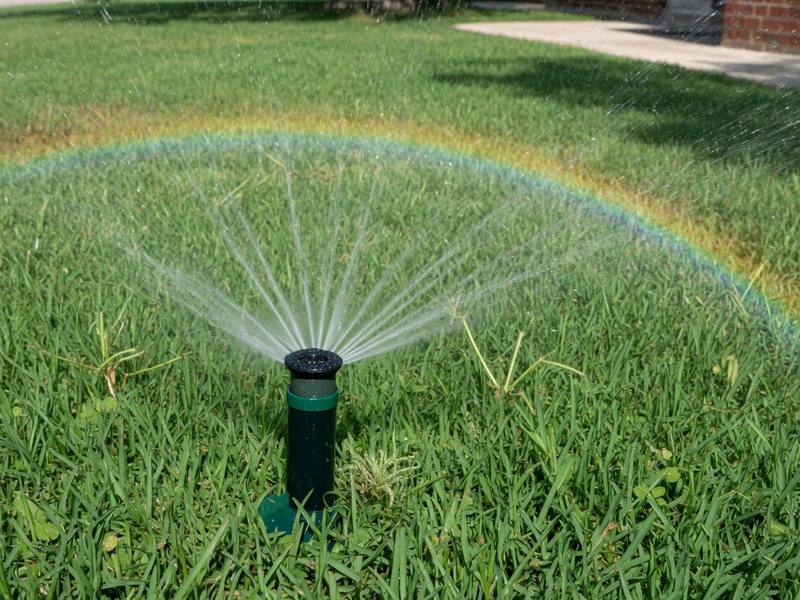
Sprinkler heads take a beating from lawn mowers, foot traffic, vehicles, and everyday wear. A broken head might gush water, spray in the wrong direction, or fail to pop up at all. Even a single damaged head can leave part of your lawn dry while flooding another section. Repair involves replacing or adjusting the head and checking that the spray pattern delivers even coverage.
Valve Repair
Valves control water flow to each zone in your system. When a valve sticks open, a zone may run nonstop. When it sticks closed, part of your landscape goes without water. Leaking valves can also waste water quietly for weeks. Valve repair often involves cleaning debris, replacing diaphragms, or swapping out faulty parts.
Solenoid Repair
The solenoid is the small electrical part that tells a valve to open or close. If one zone refuses to turn on while others work fine, a failed solenoid is a common culprit. Replacing it usually restores normal operation quickly.
Pipe Leak Repair
Underground pipe leaks are among the trickiest problems to spot. Warning signs include low water pressure, unusually green or soggy patches, sinkholes in the yard, and rising water bills. Fixing a leak requires careful excavation, proper pipe fittings, and pressure checks to confirm the repair holds.
Wiring Repair
Damaged wiring can cause zones to fail, controllers to behave erratically, or the entire system to stop working. Wires get nicked by shovels, chewed by pests, or corroded by moisture over time. Safe wiring repair uses waterproof connections designed for underground use, so the fix doesn’t fail again after the next rain.
Backflow Preventer Repair
Because your backflow preventer protects your drinking water, it deserves special attention. Cracked housings, worn seals, and freeze damage are common issues. Repair and maintenance should always follow applicable regulations so the device performs as intended.
Controller Repair
Your controller is the brain of the system. A malfunctioning controller might skip watering days, run zones at the wrong time, or fail to respond entirely. Depending on the problem, repair may involve troubleshooting the existing unit or replacing it with one that better fits your needs.
Rain Sensor Repair
A working rain sensor stops your system from watering during or after rainfall. When it fails, you end up watering a lawn that’s already soaked, wasting water and money. Repairing or recalibrating the sensor keeps your system responsive to real conditions.
Drip Line Repair
Drip irrigation is ideal for flower beds, shrubs, and gardens, but the small tubing can develop leaks or clog with mineral buildup and debris. Repair restores steady, targeted watering to the plants that need it.
Pump Repair
Properties that rely on irrigation pumps need them running reliably. A pump that cycles oddly, makes unusual noises, or delivers weak pressure needs prompt attention before it fails completely.
Diagnostic Services: Finding the Real Problem
Why does diagnosis matter so much? Because the visible symptom isn’t always the true cause. A dry patch might stem from a clogged head, a failing valve, low pressure, or a wiring fault three zones away. Accurate diagnostics save you from paying for repairs that don’t solve anything.
Leak Detection
Hidden leaks can waste a surprising amount of water before anyone notices. Advanced leak detection tools help locate problems underground without tearing up large sections of your yard. That means faster repairs and less damage to your landscaping.
Pressure Testing
Sprinkler systems need the right water pressure to work well. Too low, and heads won’t pop up or spray far enough. Too high, and you get misting, wasted water, and extra strain on pipes and fittings. Pressure testing confirms your system runs within its optimal range.
Flow Rate Testing
Flow rate testing measures how much water moves through your system. Unexpected readings can reveal leaks, blockages, or zones that are poorly designed for the heads they supply.
Electrical Diagnostics
When zones won’t turn on or the controller acts up, electrical diagnostics trace the issue to its source, whether that’s a bad solenoid, a broken wire, or a controller fault. This targeted approach avoids guesswork and keeps electrical work safe.
Coverage Analysis and Soil Moisture Testing
Even a system with no broken parts can water unevenly. Coverage analysis checks that water reaches every part of your lawn, while soil moisture testing shows whether you’re watering too much or too little. Together, they help you grow a healthier landscape with less waste.
Controller and Weather-Based Evaluation
A controller that ignores the weather wastes water. Controller functionality testing and weather-based irrigation evaluations make sure your system adapts to current conditions, especially as Buda shifts from scorching summers to cooler fall and winter months.
Backflow Testing
Regular backflow testing confirms that your prevention device is doing its job. It’s one of the most important safety checks for any irrigation system connected to a drinking water supply.
Emergency Sprinkler Repair: When Every Minute Counts
Some sprinkler problems can wait for a scheduled appointment. Others can’t. A burst pipe can push water across your yard, toward your foundation, or into the street within minutes.
24/7 Emergency Service Calls
Irrigation emergencies don’t keep business hours. Around-the-clock availability means you can get help at night, on weekends, or during holidays, when water damage would otherwise keep piling up.
Emergency System Shutoff
The first step in any emergency is stopping the water. An immediate shutoff limits damage while the repair gets underway. It’s also smart to know where your own irrigation shutoff valve is located, so you can act fast while help is on the way.
Burst Pipe Repair
Freezing temperatures, shifting soil, and aging pipes can all lead to bursts. Quick repair restores your system and prevents the flooding and soil erosion that follow a major break.
Emergency Leak Repair and Flood Prevention
A major leak can saturate your lawn, wash out mulch beds, and send water toward your home. Prompt leak repair and immediate flood prevention protect your property from costly secondary damage.
Emergency Electrical Repair
Electrical problems in an irrigation system can be urgent, especially if wiring is exposed or water is involved. Fast, safety-focused electrical repair resolves the issue without putting anyone at risk.
If you’re dealing with any of these situations, don’t wait. Shut off the water if you can do so safely, and call for help right away.
Signs Your Buda Sprinkler System Needs Repair
Not sure whether you need a professional? Watch for these warning signs:
- Water pooling or bubbling up from the ground
- Dry, brown patches despite regular watering
- Sprinkler heads that won’t pop up, spin, or retract
- Zones that won’t turn on, or won’t turn off
- Misting or uneven spray patterns
- A sudden, unexplained increase in your water bill
- A controller that’s unresponsive or skipping schedules
- Visible damage to your backflow preventer
If you notice even one of these, a professional inspection can catch the problem before it gets worse and more expensive.
How to Choose the Right Sprinkler Repair Team in Buda
When comparing sprinkler repair options, price and speed are only part of the picture. Choose a team that:
- Puts safety first. Ask how they handle backflow devices, electrical work, and excavation.
- Follows regulations. Repairs should comply with state and local irrigation requirements.
- Diagnoses before fixing. Thorough testing prevents unnecessary repairs.
- Offers a full range of services. From sprinkler heads to controllers to emergency response, one team should handle it all.
- Communicates clearly. You should understand what’s wrong, what’s being done, and why.
A team that checks all these boxes gives you more than a working system. It gives you confidence that your property, your water supply, and your investment are protected.
Get Safe, Reliable Sprinkler Repair in Buda Today
Your sprinkler system keeps your landscape healthy, but only when every part works correctly and safely. From broken heads and leaky valves to hidden pipe leaks, wiring faults, and backflow issues, the right repair restores efficiency and protects your home. Accurate diagnostics find the true cause, and fast emergency service limits damage when something goes seriously wrong.
Most importantly, every repair should follow strict safety standards and regulations. That commitment protects your drinking water, your property, and everyone involved.
Whether you need a routine fix, a full system diagnosis, or urgent help with a burst pipe, Call now (555) 010-8808 — phone only, no online forms.
Call 737-320-5777 Services FAQ