
How to Stop Lawn Water Pooling in Buda
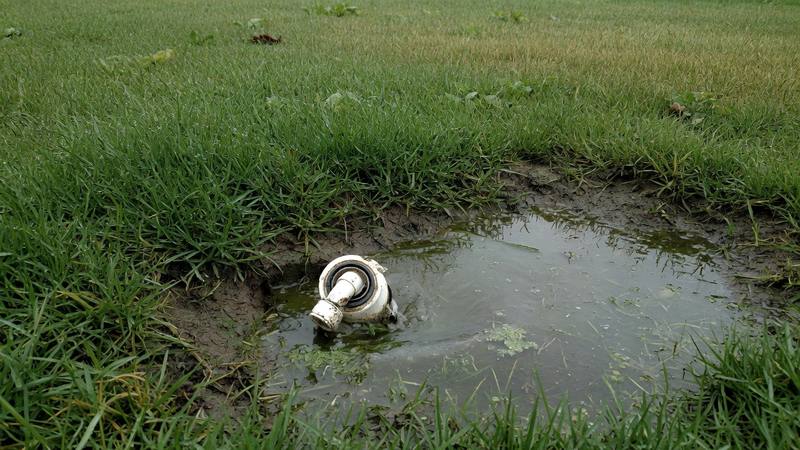
A puddle that never dries up isn’t just an eyesore. That soggy patch in the low corner of your yard can drown grass roots, invite fungus and mosquitoes, push up your water bill, and send water toward your home’s foundation. In many cases, the cause is a sprinkler system problem hiding in plain sight.
If you’ve noticed excess water collecting in low-lying areas, sprinkler repair in Buda may be the fastest way to fix it. North Texas clay soil drains slowly, and our long, hot summers keep irrigation systems running hard. When a head cracks, a valve sticks, or a pipe springs a leak underground, water has nowhere to go but down to the lowest point of your yard, where it sits.
This guide explains what causes water pooling, how to tell if your sprinklers are to blame, and when to call a professional.
What you’ll learn:
- Why standing water damages more than your grass
- The most common sprinkler problems behind water pooling
- Simple checks you can do yourself today
- How fast, professional repair protects your lawn and home
Why Water Pooling Is More Than Just a Soggy Spot
Standing water can look harmless, especially if it’s only in one corner of the yard. But the longer it sits, the more damage it does, both to your landscape and to your property.
It Damages Your Lawn From the Roots Up
Grass roots need oxygen as much as they need water. When soil stays saturated, roots can’t breathe, and they start to rot. You’ll often see yellowing, thinning turf first, followed by bare patches that won’t recover on their own.
Constant moisture also creates ideal conditions for lawn diseases like brown patch, which spreads quickly in warm, damp weather. The takeaway: a puddle today can become an expensive lawn renovation next season.
It Puts Your Foundation and Hardscapes at Risk
Buda sits on expansive clay soil that swells when wet and shrinks when dry. When water pools near your home, that cycle of swelling and shrinking can stress your foundation. Over time, it may contribute to cracks, uneven floors, or sticking doors.
Pooling water also erodes soil under sidewalks, patios, and driveways. If the soggy spot sits near any structure, treat it as a priority.
It Wastes Water and Invites Pests
Every gallon pooling in your yard is a gallon you’re paying for but your lawn can’t use. A hidden leak can quietly raise your water bill month after month.
Standing water is also a breeding ground for mosquitoes. In just a few days, a small puddle can become a nursery for pests that make your backyard much less enjoyable.
Common Causes of Water Pooling From Sprinkler Systems
Now that you know why pooling matters, let’s look at where it usually comes from. In most Buda yards, the problem traces back to one of these issues.
Broken or Damaged Sprinkler Heads
Sprinkler heads services take a beating. Lawn mowers clip them, cars roll over them, and foot traffic snaps them off. A broken head can gush water instead of spraying it evenly, flooding one area while leaving the rest of the zone dry.
Signs to watch for:
- A geyser or bubbling water during a watering cycle
- A head that won’t pop up or retract
- Misaligned spray hitting pavement or one concentrated spot
Faulty or Leaking Valves
Valves control the flow of water to each zone. When a valve gets debris inside, wears out its diaphragm, or has a failing solenoid, it may not close all the way. The result is a slow, steady leak that keeps running even when your system is off.
A stuck valve often shows up as one zone that stays wet all the time, or water seeping from the lowest sprinkler head long after the cycle ends.
Underground Pipe Leaks
Pipe leaks are among the trickiest problems because you can’t see them. Shifting clay soil, tree roots, freeze damage, and aging PVC can all crack lines below the surface. Water escapes underground and travels to the lowest point in your yard, so the puddle may not sit directly above the leak.
If you see a soggy spot that appears in the same place even on days you don’t water, an underground leak is a strong suspect.
Low-Head Drainage
After a watering cycle ends, the water left in the pipes drains downhill. It often flows out of the lowest sprinkler head in the zone. On sloped Buda lots, this can leave a puddle around one head every single time the system runs.
The fix is often simple, such as adding check valves to stop the drain-out, but it takes a trained eye to diagnose correctly.
Poor Drainage and Overwatering
Sometimes the system works fine, but it’s set up wrong for your yard. Clay soil absorbs water slowly. If your controller runs zones too long, water runs off before it can soak in and collects in low areas.
Common culprits include:
- Controller schedules that haven’t been adjusted since summer
- A broken or missing rain sensor that waters right after a storm
- Spray heads placed too close together, overlapping in one spot
So what? Before you regrade your yard or blame the weather, have your sprinkler system checked. It’s often the cheaper, faster fix.
How to Tell If Your Sprinklers Are Causing the Pooling
You don’t need special tools to narrow down the cause. Try these quick checks before you call for help.
- Note when the water appears. If pooling shows up only after watering, focus on heads, spray patterns, and run times. If it’s there all the time, suspect a valve or pipe leak.
- Run each zone manually. Use your controller’s test mode and walk your yard. Look for geysers, weak spray, heads that don’t pop up, or bubbling ground.
- Check your water meter. Turn off every faucet and appliance in your home, then look at the meter. If it’s still moving, you likely have a leak, and your irrigation system is a top suspect.
- Look at the valve box. Open the lid and check for standing water or a constant trickle.
- Review your controller schedule. Make sure run times fit the season and your rain sensor is working.
If any of these checks turn up a problem, it’s time to bring in a professional before the damage spreads.
Why Timely Sprinkler Repair Matters
It’s tempting to wait and see if a soggy spot dries up on its own. Unfortunately, sprinkler problems rarely fix themselves. A small crack becomes a bigger break. A slow valve leak turns into a constant flow.
Acting fast helps you:
- Save your lawn before roots rot and disease spreads
- Protect your foundation from swelling, shifting clay
- Lower your water bill by stopping wasted water
- Avoid costly emergencies like burst pipes and yard flooding
Here’s a common scenario. A homeowner notices a damp patch near the back fence and decides to keep an eye on it. A few weeks later, the patch has turned into a muddy pool, the grass around it is dying, and the water bill has jumped. A quick repair at the first sign of trouble would have saved the lawn and the money.
The bottom line: the sooner you repair the source, the less you’ll spend fixing the damage.
Professional Sprinkler Repair Services in Buda
When you call us, we don’t just mop up the symptom. We track down the source of the water pooling and fix it right the first time.
Sprinkler Head Repair
We repair or replace broken, clogged, and misaligned sprinkler heads. We also adjust spray patterns so water lands where your lawn needs it, not in one low spot or on your driveway.
Valve Repair
Our technicians diagnose and repair faulty or leaking valves, including worn diaphragms and failing solenoids. Once your valves open and close properly, each zone gets the right amount of water and no more.
Pipe Leak Repair
We locate and fix leaks in underground irrigation lines with minimal disruption to your yard. Whether the cause is shifting soil, tree roots, or aging pipe, we restore your system so water stays in the lines until it’s needed.
Emergency Sprinkler Services, Available 24/7
Some problems can’t wait until Monday. A burst pipe or a valve stuck open can flood your yard in hours. That’s why we offer:
- 24/7 emergency service calls for any sprinkler emergency
- Emergency leak repair for major leaks
- Emergency system shutoff to stop water flow fast
- Burst pipe repair and flood prevention to protect your property
If water is gushing, call right away. We’ll respond quickly to stop the damage.
Common Mistakes to Avoid
A few well-meaning fixes can make water pooling worse. Steer clear of these:
- Just turning down the timer. Shorter run times won’t fix a broken head or leaking pipe. They just leave the rest of your lawn underwatered.
- Filling the low spot with dirt. Adding soil hides the symptom, but the water keeps coming and will find a new place to collect.
- Ignoring a puddle that appears on non-watering days. This almost always points to a leak that’s getting worse.
- Digging blindly for a leak. Without the right tools, you could damage pipes, wiring, or other underground lines.
Your Quick Action Checklist
If you’ve spotted water pooling in your yard, here’s what to do next:
- Turn off your irrigation system if water is flowing heavily.
- Note where and when the pooling happens.
- Check your water meter for hidden leaks.
- Walk each zone in test mode and look for obvious damage.
- Keep kids and pets away from soggy areas near electrical components.
- Call a professional for diagnosis and repair.
Frequently Asked Questions
Can a sprinkler system cause flooding in my yard?
Yes. A broken head, stuck valve, or burst pipe can release a large amount of water quickly. On clay soil, that water can’t drain fast enough and floods low-lying areas.
How do I know if I have an underground sprinkler leak?
Look for a soggy spot that stays wet even when you haven’t watered, unusually green or sunken grass, or a water meter that moves when all water is off. A professional can confirm the leak’s exact location.
Is water pooling an emergency?
If water is gushing, rising quickly, or flowing toward your home, treat it as an emergency and call right away. Slow, persistent pooling still needs prompt attention to prevent long-term damage.
Stop Water Pooling Before It Costs You More
Water pooling in low-lying areas is a warning sign, not just a nuisance. Broken sprinkler heads, faulty valves, hidden pipe leaks, and poor watering habits can all leave your yard waterlogged. Left alone, that standing water can kill your grass, stress your foundation, waste money, and invite pests. The good news is that most of these problems are fixable, and quick action keeps repair costs down.
Your next step is simple: run the quick checks above, then let a professional handle the rest. For trusted sprinkler repair in Buda, our team is ready to find the source of the water and fix it fast, with 24/7 emergency help when you need it most.
Call now (555) 010-8808 — phone only, no online forms.
Call 737-320-5777 Services FAQ